
ASTM Phantom
Discover
EN

On-site optical tracking recalibration, in minutes

Restored accuracy for uninterrupted performance
Atracsys Pyramid Recalibration enables medical device manufacturers to restore factory‑level optical tracking accuracy locally, in under 20 minutes, without removing systems from service.
Over time, transportation, long‑term storage, system integration, and operating‑room conditions can introduce small accuracy drift. Optical tracking recalibration ensures that systems continue to meet their specified performance throughout their operational lifecycle.
However, recalibration is usually performed by returning optical tracking systems to the factory, where calibration is assessed and restored before the system is redeployed.
Atracsys Pyramid Recalibration redefines this model by enabling recalibration to be performed locally.
Reduce system downtime by maintaining availability where systems are deployed
Simplify recalibration logistics by avoiding return‑to‑factory workflows
Improve service predictability and support SLA performance
Strengthen compliance and quality assurance across deployed systems
Currently available for fusionTrack™ 500 and fusionTrack™ 250. Compatibility with additional systems in development.
Avoid return-to-factory recalibration of your optical tracker to reduce downtime and simplify maintenance logistics
Reduce uncertainty around maintenance timelines to consistently meet service‑level commitments
Support growth without increasing service complexity
Reinforce quality and regulatory readiness through a consistent, traceable recalibration process for your optical tracking systems
How it works
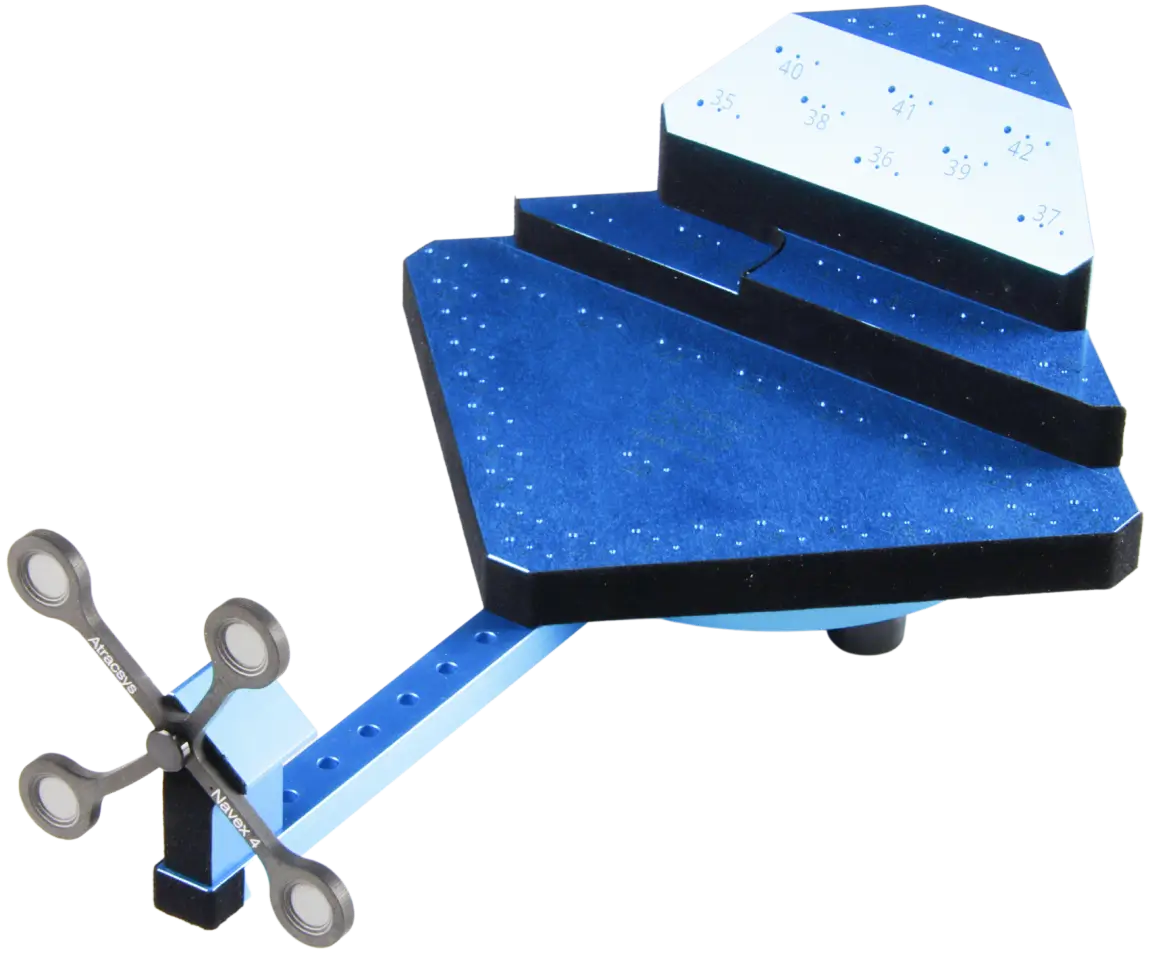
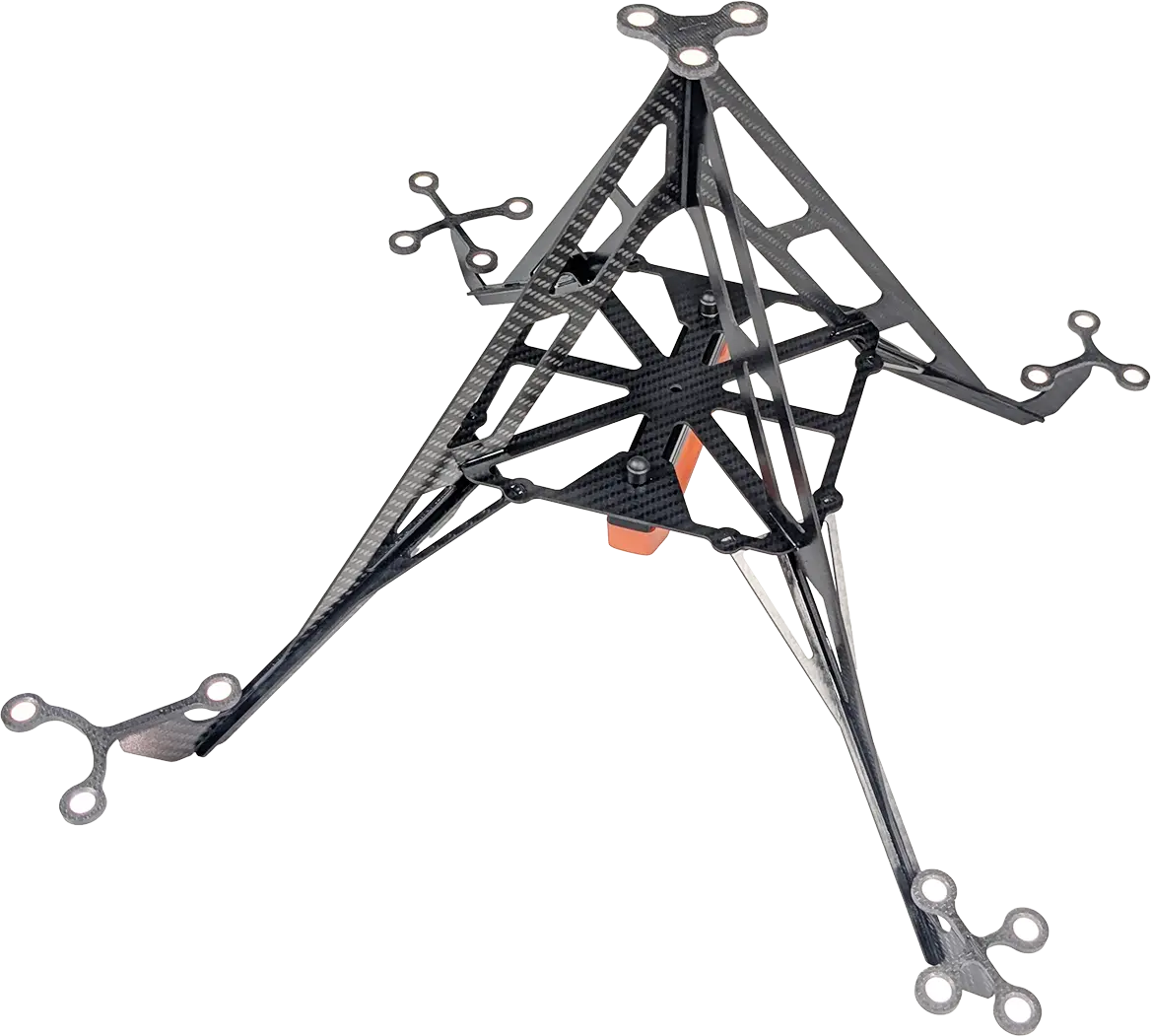
Pyramid Recalibration is an Atracsys recalibration service that allows medical device manufacturers to restore factory‑level optical tracking accuracy locally, either on‑site or at a service center. The service combines dedicated calibration artefacts (AVT and Pyramid) with the Atracsys Toolbox software to provide a structured, traceable workflow for assessing tracking accuracy and, when needed, recalibrating the system.
The recalibration workflow is designed to be completed in less than 20 minutes, including accuracy assessment, recalibration (if required), and verification.
No. Pyramid Recalibration is designed to avoid return‑to‑factory workflows by enabling recalibration to be performed locally, either on‑site or at a service facility.
Tracking accuracy can be affected by transportation shocks or vibration, storage and assembly conditions (such as temperature extremes, humidity, or dust), and operational environments (including temperature cycling, humidity exposure, or sustained vibration).
Pyramid Recalibration includes a verification step using the Accuracy Verification Tool (AVT), allowing tracking accuracy to be assessed and confirmed before the system is returned to use.
You need access to the Pyramid calibration artefact, the Accuracy Verification Tool (AVT), and the Atracsys Toolbox software to assess accuracy, perform recalibration when required, and apply the updated calibration file to the tracking system.
Pyramid Recalibration is designed for local execution by trained service teams. It can be performed at a service facility or directly at the point of use.
Many customers integrate recalibration at key lifecycle checkpoints, such as upon receipt, after extended storage, following system assembly, before shipment to hospitals, and periodically during service life (e.g., annually or after specific incidents).