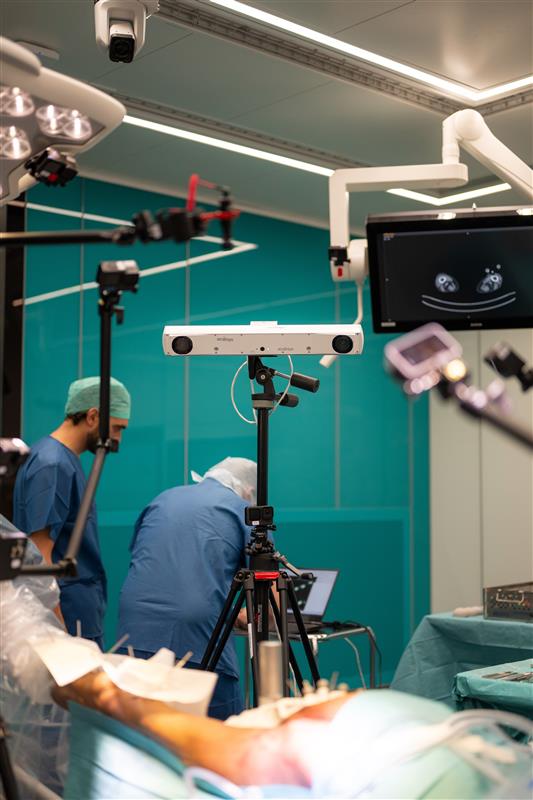
When an optical tracking system drifts out of calibration in a hospital operating room, the consequences extend far beyond a single device. Surgical schedules are disrupted. Patients wait longer for procedures. And, medical device manufacturers face mounting pressure to restore systems that may be thousands of miles from the factory.
Until now, the only option has been to ship the equipment back to the manufacturer, a process that can take weeks and creates cascading operational challenges for the medical device manufacturers and across the healthcare system.
Atracsys has developed a different approach. The Pyramid Recalibration enables medical device manufacturers to restore factory-level accuracy in optical tracking systems on-site, in under 20 minutes, without removing equipment from clinical environments.
Over time, the calibration of optical tracking systems can drift. Transportation, long-term storage, system integration, and operating-room conditions such as temperature variations, humidity, or sustained vibration all contribute to gradual de-calibration.
For medical device manufacturers operating navigation or robotic surgery platforms, the traditional return-to-factory model creates compounding problems: unpredictable logistics costs, extended downtime, difficulty meeting service-level agreements, and challenges scaling support across multiple geographies.
For healthcare providers, these disruptions can translate into postponed procedures, reduced operating-room utilization, and limited access to critical technologies. As systems are deployed across more sites and geographies, the need for a predictable, preventive, and locally manageable recalibration process has become critical.
The Pyramid Recalibration introduces a fundamentally different workflow. Managed through the Atracsys Toolbox software, trained operators can assess tracking accuracy and restore system performance directly on-site or at a service center.
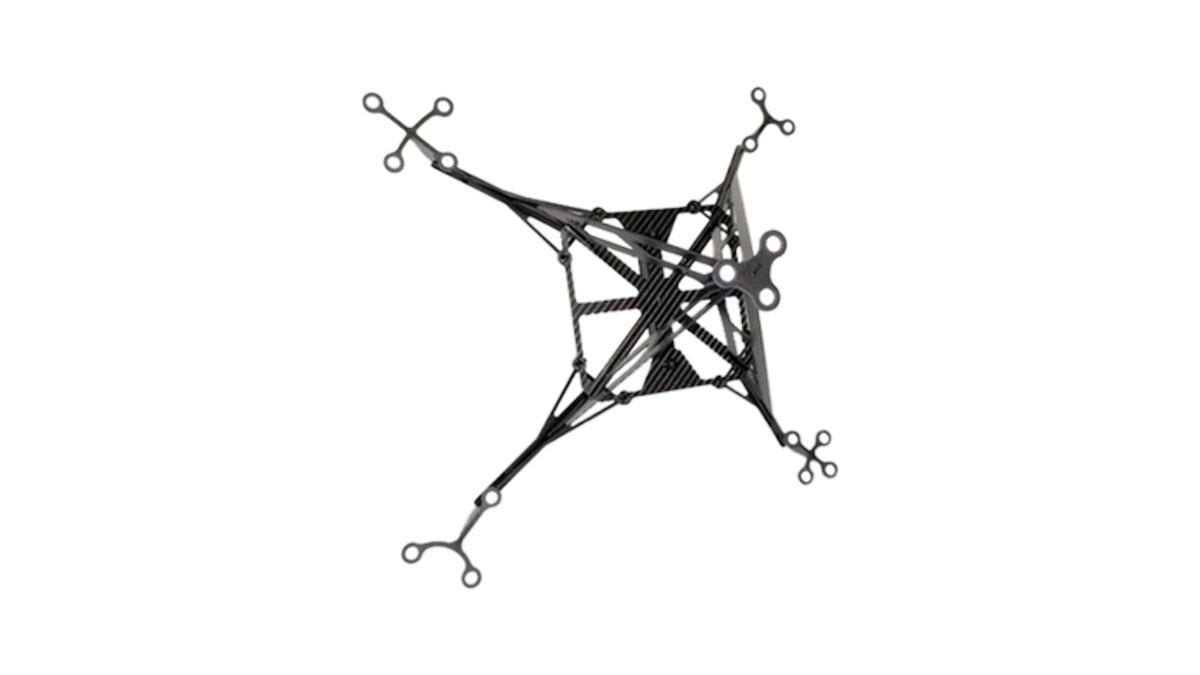
The process is straightforward: first, assess current accuracy using the Accuracy Verification Tool (AVT). If recalibration is needed, capture measurement data with the Pyramid artifact. The data is securely processed by Atracsys and a new calibration file is flashed to the system, restoring sub-millimeter accuracy.
The entire workflow takes less than 20 minutes.
With the Pyramid Recalibration, medical device manufacturers gain a predictable way to maintain sub-millimetre accuracy throughout the lifecycle of their systems. Key benefits include:
- Reduced downtime and logistics complexity by avoiding return-to-factory recalibration
- Stronger service-level-agreement performance through faster, locally managed maintenance
- Consistent, audit-ready calibration records to support quality and regulatory requirements
- Seamless integration into preventive maintenance workflows, either on-site or at service centers
By enabling recalibration where and when it is needed, the Pyramid Recalibration helps protect hospital schedules, reduce operational risk, and reinforce confidence in system performance. Ultimately, this supports reliable surgical workflows and consistent clinical accuracy for healthcare providers.
The Pyramid Recalibration is currently available for the fusionTrack™ 500. Atracsys is actively working to extend compatibility across its optical tracking portfolio and will inform customers as additional systems become supported.
Medical device manufacturers interested in implementing the Pyramid Recalibration can contact Atracsys to schedule a technical demonstration or discuss integration requirements. Visit our Pyramid Recalibration page for more information.
The ability to restore factory-level accuracy in 20 minutes, on-site, represents more than a process improvement. It’s a shift in how the industry can approach optical tracking maintenance.